
Commercial
November 26, 2026


Indoor golf has exploded over the past few years and with that growth has come a flood of simulator options. So why do so many facility owners — after testing “10, 15 different” systems, as one operator put it — land on GOLFZON? The answer shows up again and again in conversations with the people who actually run these businesses: realism, accuracy, a complete game experience and a model that makes financial sense.
Below, we break down the real reasons operators across the country are choosing GOLFZON, in their own words. We also answer the questions golfers, investors and facility owners are actively asking about golf simulators today.
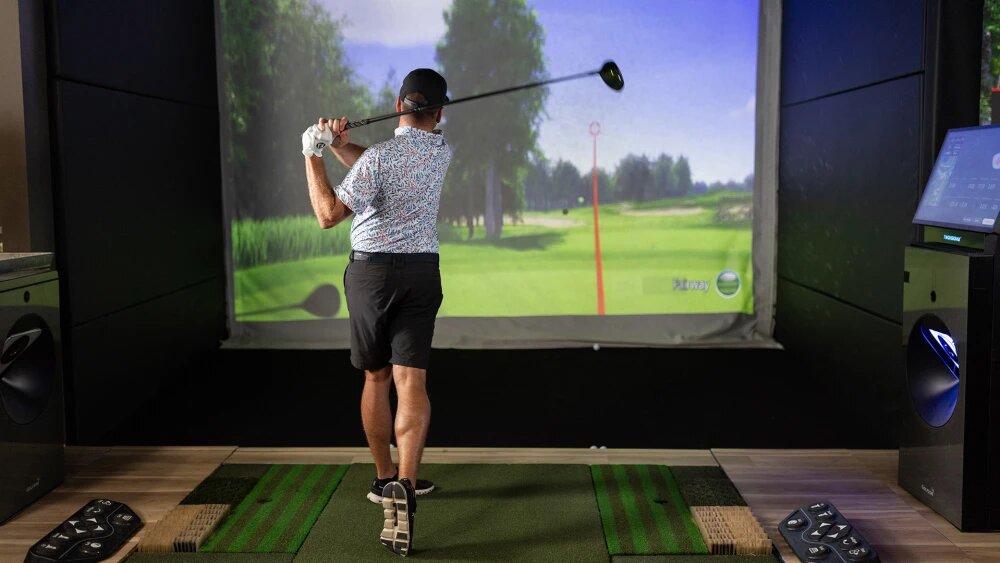
The single most common theme brought up among GOLFZON store operators is how close the experience feels to playing green grass golf. That comes down to details competitors often skip: a moving floor that tilts for uneven lies, multiple physical turf surfaces (fairway, rough, sand), true putting physics and near-zero screen latency.
Tyler Wilson, founder & CEO of Stinger’s Golf Club in Chandler, Arizona, said the responsiveness stood out immediately.
He added that the moving plate, undulating greens, and auto-tee-up were things “99% of other simulators don’t offer.”
Tom Bene, owner of Avid Caddie Golf Lounge in Denver, echoed that after demoing over a dozen competitors:
Ryan Wines, founder & CEO of Golf Envy, which now has more than a dozen franchise stores opening in the near future, put it simply:
And it’s not just owners — members feel it too. Tyson Houston, a member at Golf Haus in Denver, said:

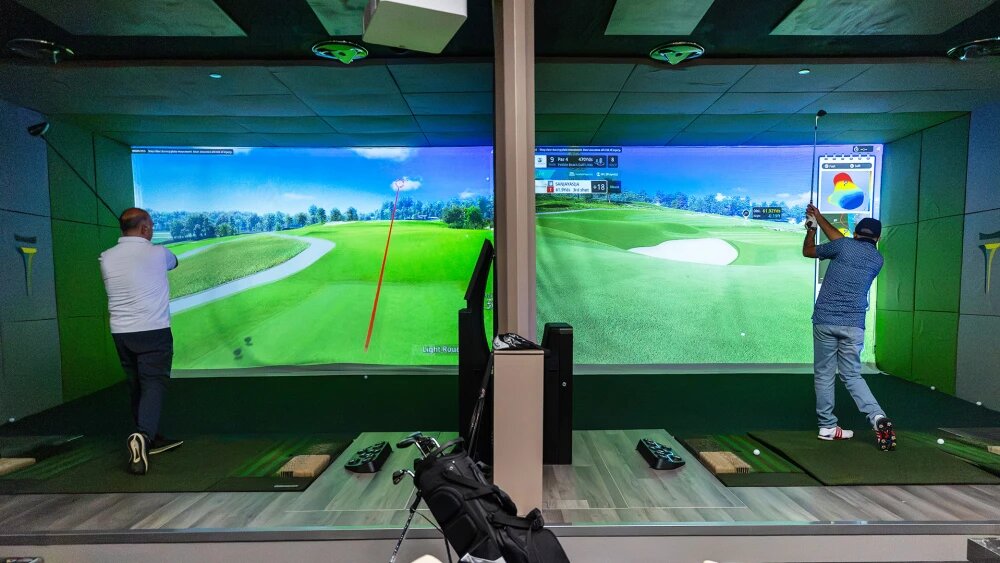
Realism only matters if the numbers behind it hold up. Jason Pearson, co-founder of Smash Factor Virtual Golf and Lounge in Chino, California, said the data convinced even skeptical instructors:
Bob Hansen, a member at Golf Envy South Tempe, said the metrics finally made sense to him:
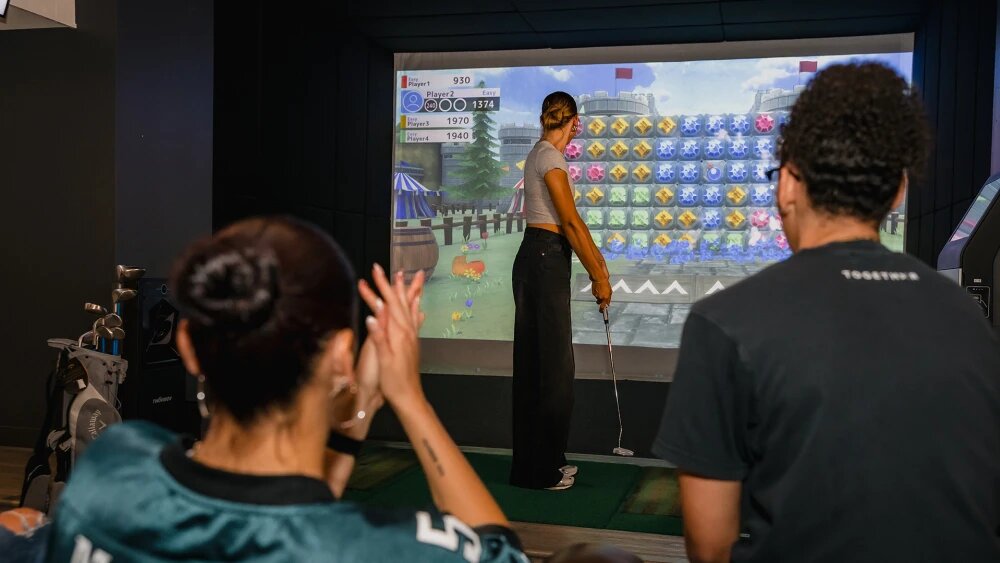
Facility owners say GOLFZON is more than a practice tool: it combines golf simulator training, coaching, family entertainment, memberships, and competition. That versatility can suit golf academies, social lounges, and event spaces, though the best commercial setup depends on each venue’s audience and goals.
Danny Richards, co-founder of Smash Factor, described the range of use cases:
Joel Warshaw, owner of 9Yards Golf in Pittsburgh, highlighted the coaching side:
Warshaw’s success with his facility led to opening of a second facility this summer and is looking to franchise as well.
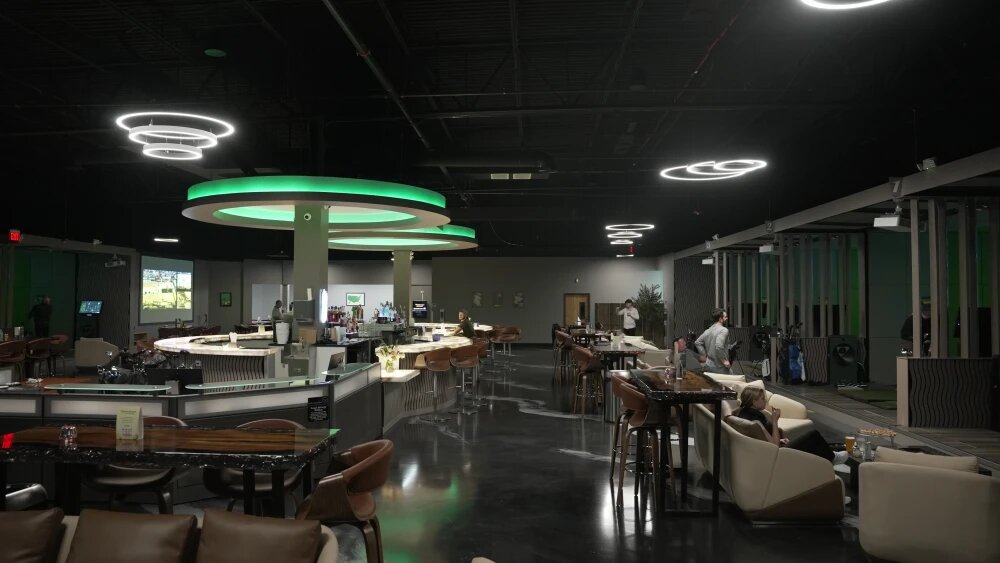
For operators, realism has to translate into revenue and GOLFZON’s membership and tour formats are recurring reasons facilities choose it over competitors. Beyond hourly simulator rentals, commercial venues may also earn revenue from memberships, lessons, leagues, tournaments, private events and food and beverage, depending on their setup. These offerings can encourage repeat visits and help fill booking hours that might otherwise go unused. Commercial golf simulator costs vary widely based on the system, number of bays, site preparation, installation, software and ongoing operating expenses. Before investing, owners should estimate the full installed cost, set pricing for hourly play and other services, and forecast realistic utilization across peak and off-peak hours.
Comparing projected revenue with rent, staffing, maintenance, marketing and financing costs can help assess potential margins. Results will vary based on location, demand and the venue’s business model.
Commercial golf simulator pricing varies by system and venue, so equipment prices should not be treated as installed per-bay costs. A complete commercial bay may also require an enclosure, software, installation, site preparation, and enough space for safe play.
TrackMan iO and GOLFZON TwoVisionNX pricing depends on the selected configuration and commercial package, request current, venue-specific quotes from each provider rather than relying on an unverified range.
Compare what each quote includes, along with ongoing fees and operating costs, before estimating your total investment.
Alec Cross, franchise owner of Golf Envy South Tempe in Arizona, said the technology is what sets the facility apart the moment someone walks in, and the membership model is the business case:
Blake Dobslaw founded Pacific Pines Golf & Social Club in Beaverton, Oregon, a 24/7, membership-only facility. He saw that translate directly into results:
Preston Pinkney, Co-Founder of Primetime Golf in Oakland, was direct about the return:
A profitable indoor golf business has no guaranteed EBITDA margin or universal utilization target. Results depend on rent, staffing, financing, maintenance and revenue beyond bay bookings. Set peak-hour rates to reflect local demand, and consider off-peak offers to attract bookings during quieter hours without underpricing busy periods.
To estimate the booked hours needed per bay to break even, compare fixed costs with the contribution from each booking, then account for ancillary revenue such as lessons, memberships, and food and beverage. Model conservative booking levels across peak and off-peak hours before making an investment decision.
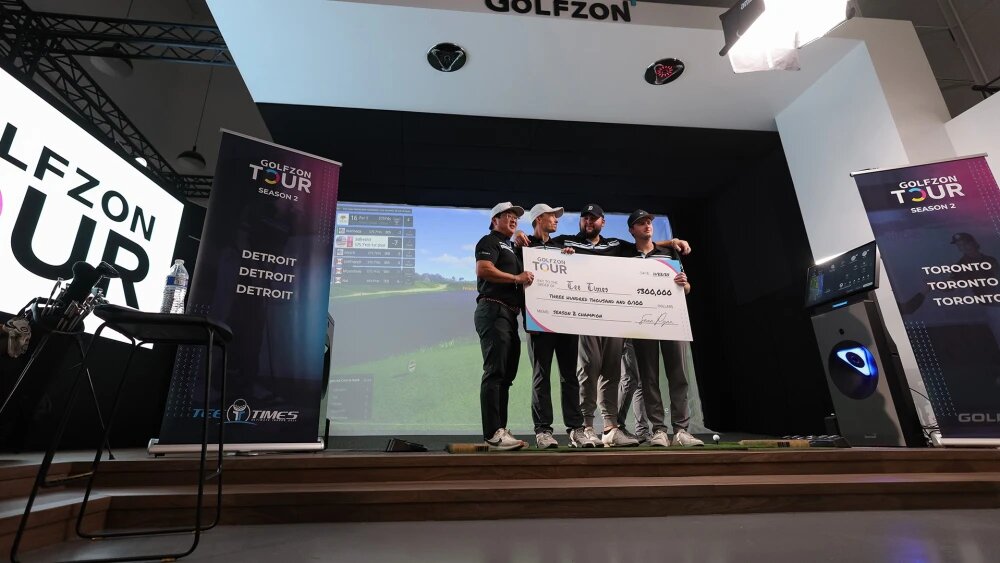
GOLFZON’s Network Play features give facilities something competitors often can’t: connected, global play.
Daniel Shephard, a member at Five Iron, called it out specifically:
Brian Bullock, a member at GOLFZON Social Oak Brook, said the competitive element pushes his game forward:
Beau Cudahy, owner of Golf & Tap in Denver, pointed to the GOLFZON Tour as a differentiator for member engagement:
Across dozens of facilities — from Minneapolis to Phoenix, Denver to Chicago — the story is the same: operators tested the competition, and GOLFZON’s realism, accuracy, and complete game experience won.
As Anthony Germano of Jackson’s Golf in Rochester, NY, summed it up:
Veuillez remplir le formulaire et nous vous contacterons pour discuter de votre espace.